
Maybe you’ve been nodding along in meetings when someone junior explains something you don’t actually follow. Maybe there’s a tool everyone on your team uses without thinking twice, and you’ve quietly never learned it, and at this point asking feels more humiliating than just continuing to fake it. Maybe there’s a process at your company that’s been running for years, and if someone asked you why it works this way, you genuinely wouldn’t have an answer, so you just hope nobody asks.
There’s an old story from the Analects, the collected sayings of Confucius, that goes right at this feeling.
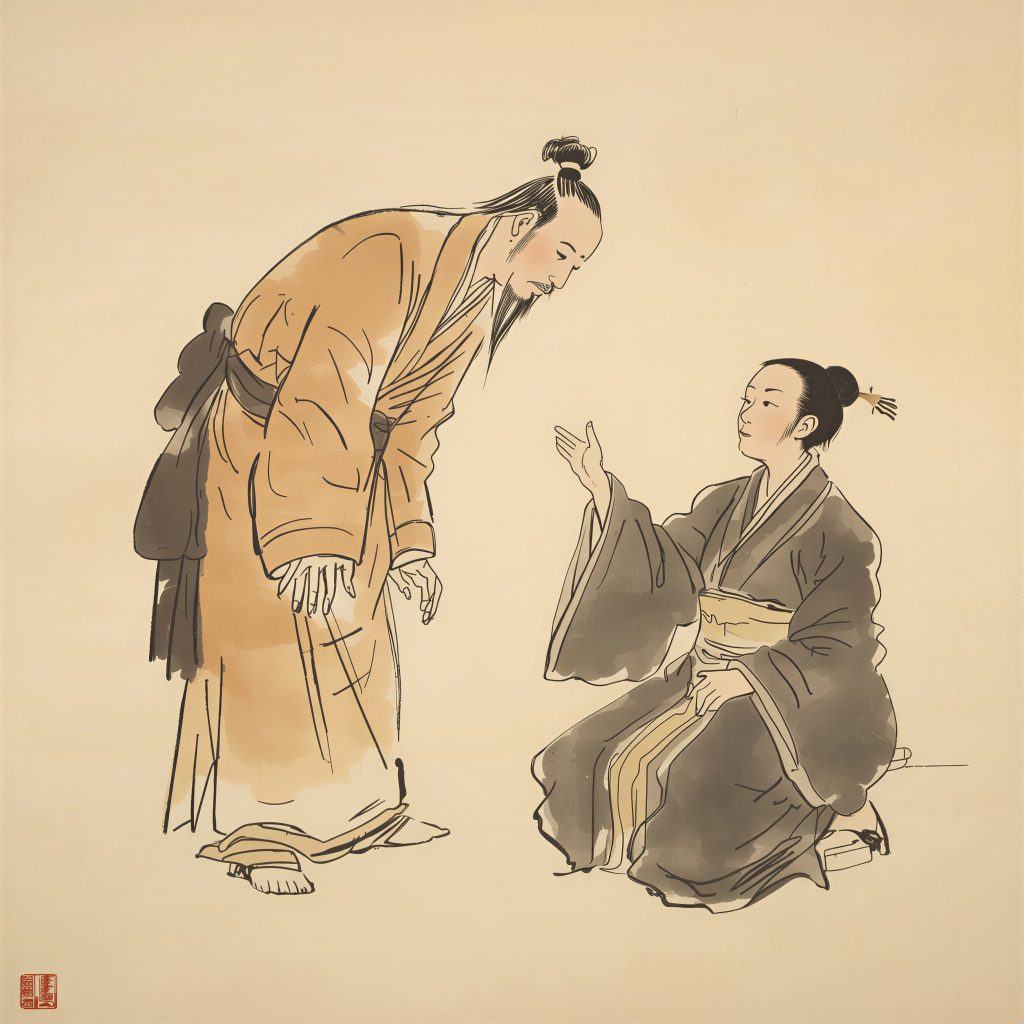
One of his students, a young man named Zigong, came to him with a question that had clearly been bothering him. A nobleman named Kong Wenzi had just died, and the king had given him the posthumous title “Wen,” meaning cultured, learned, someone whose name deserved to be remembered well. Zigong wasn’t buying it. He’d known the man. He didn’t think he was that impressive, and he wanted to know why Confucius thought he’d earned a title like that.
Confucius gave him an answer that’s outlasted both of their names by about twenty five centuries. He said Kong Wenzi deserved the title because he was quick to learn, and because he was never ashamed to ask questions of people below him, people with less rank, less status, less standing than his own.
That was the whole answer. Not brilliance. Not some list of achievements. The willingness to ask someone with less power than him for something he didn’t know.
Here’s what actually lands about this if you’re the one running things, whether that’s a team, a company, a classroom, or just your own reputation as the person who’s supposed to already have the answers. Most of us protect our position instead of asking. You nod along when someone junior explains something in a meeting instead of admitting you lost the thread halfway through. You guess your way through a tool the newest hire already knows cold, rather than ask them to just show you. You let a process keep running exactly as it always has, because questioning it out loud might mean admitting you never fully understood it yourself. Whether you’re leading a team, running your own business, teaching a room full of people who somehow already know more about the topic than you expected, or just the one everyone assumes already has it figured out, the fear is the same one Zigong was circling without quite naming it: that asking down makes you smaller.
Confucius’s answer says the opposite happened. The asking was the whole reason the man got remembered as cultured in the first place.
Knowing that doesn’t make the moment less uncomfortable. There’s still a real, physical flinch that happens right before you ask someone with less seniority than you to explain something basic. What actually helps is having a way to work through that flinch instead of just white-knuckling past it or quietly avoiding it for another six months. That’s why I built a free tool around this one: the full story, a worksheet that walks you through naming what you’re actually stuck on and who around you already knows it, and twelve real situations, the new manager who won’t ask the intern, the founder who won’t ask the support team, the exec who’s never once asked their own assistant how something actually gets done.